Ora House
Scroll to explore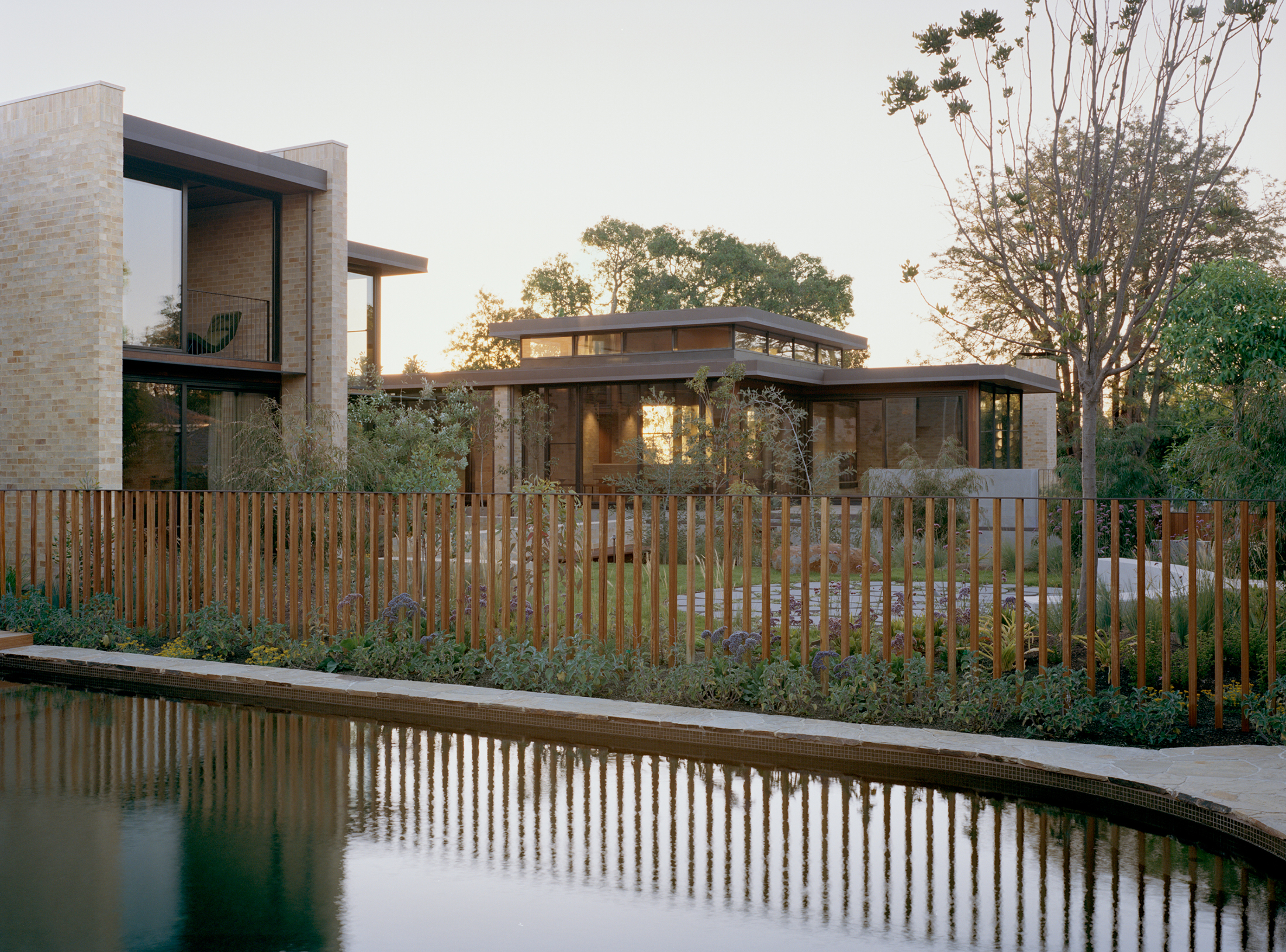
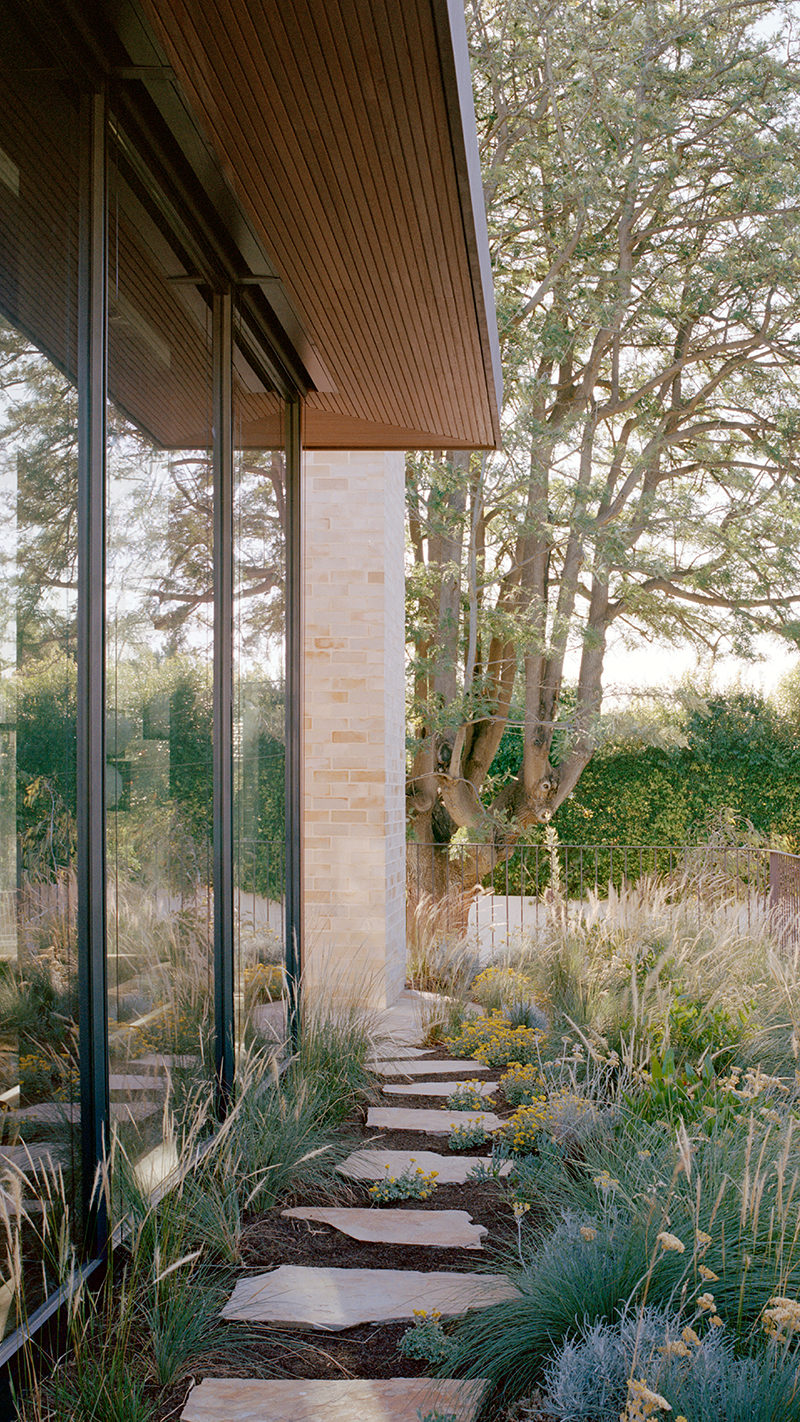
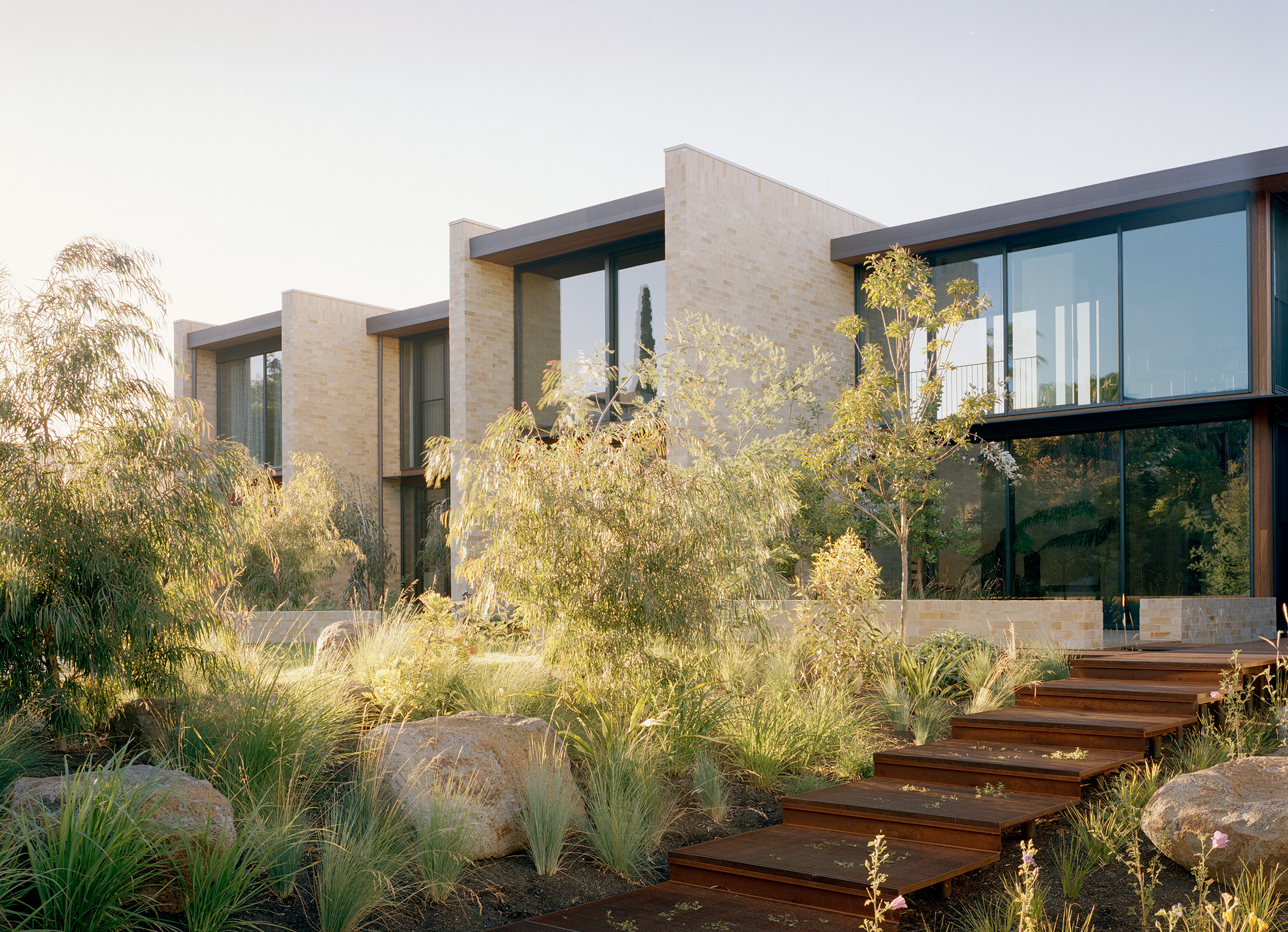
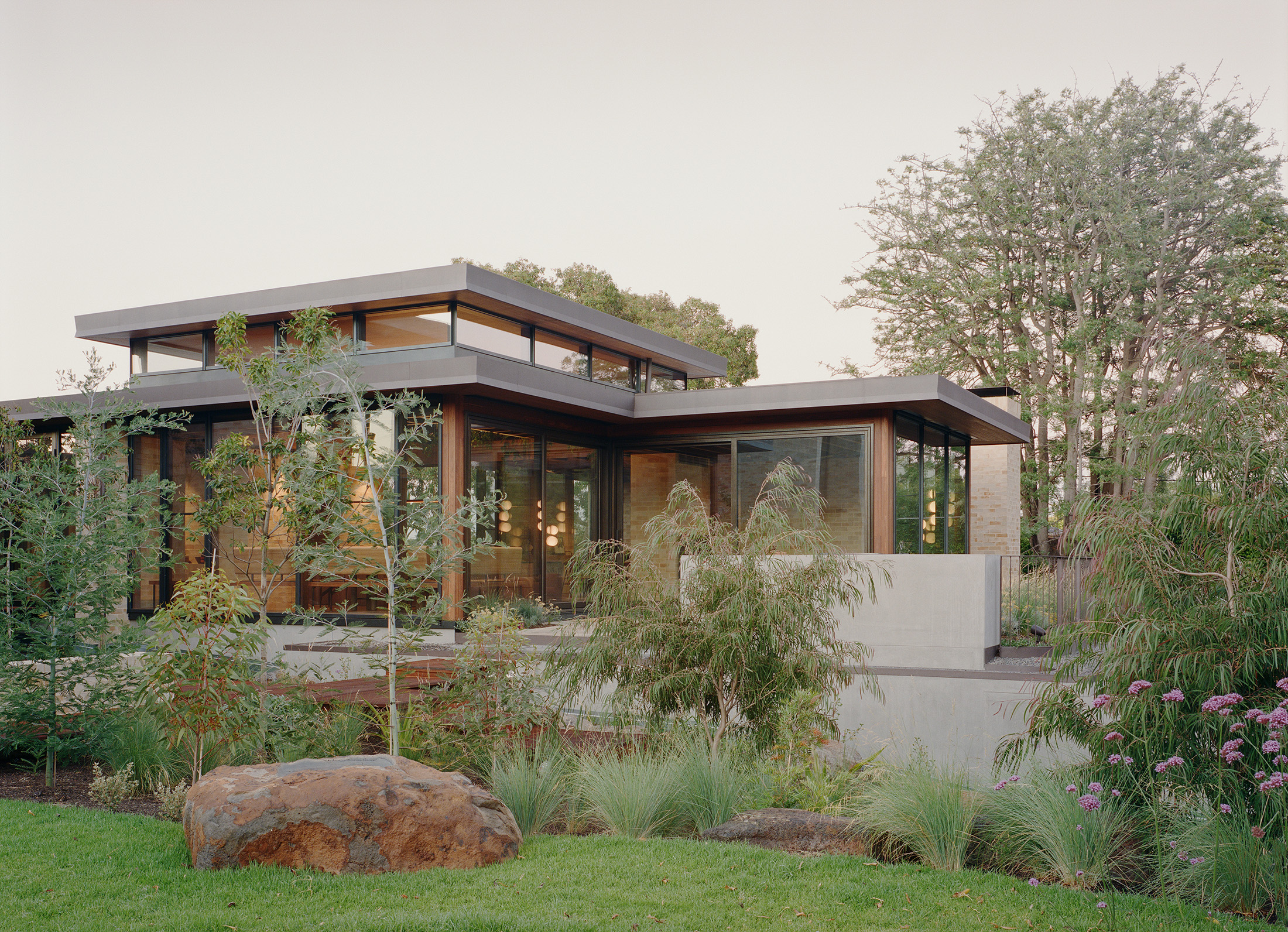
Originally conceived as a "modern ruin", a dwelling designed to be gradually reclaimed by the landscape over time, Ora House explores the reciprocity between built form and the Australian bush. Rather than asserting dominance, the design privileges immersion over enclosure, responding to both client values and the suburban context with a gesture of openness.
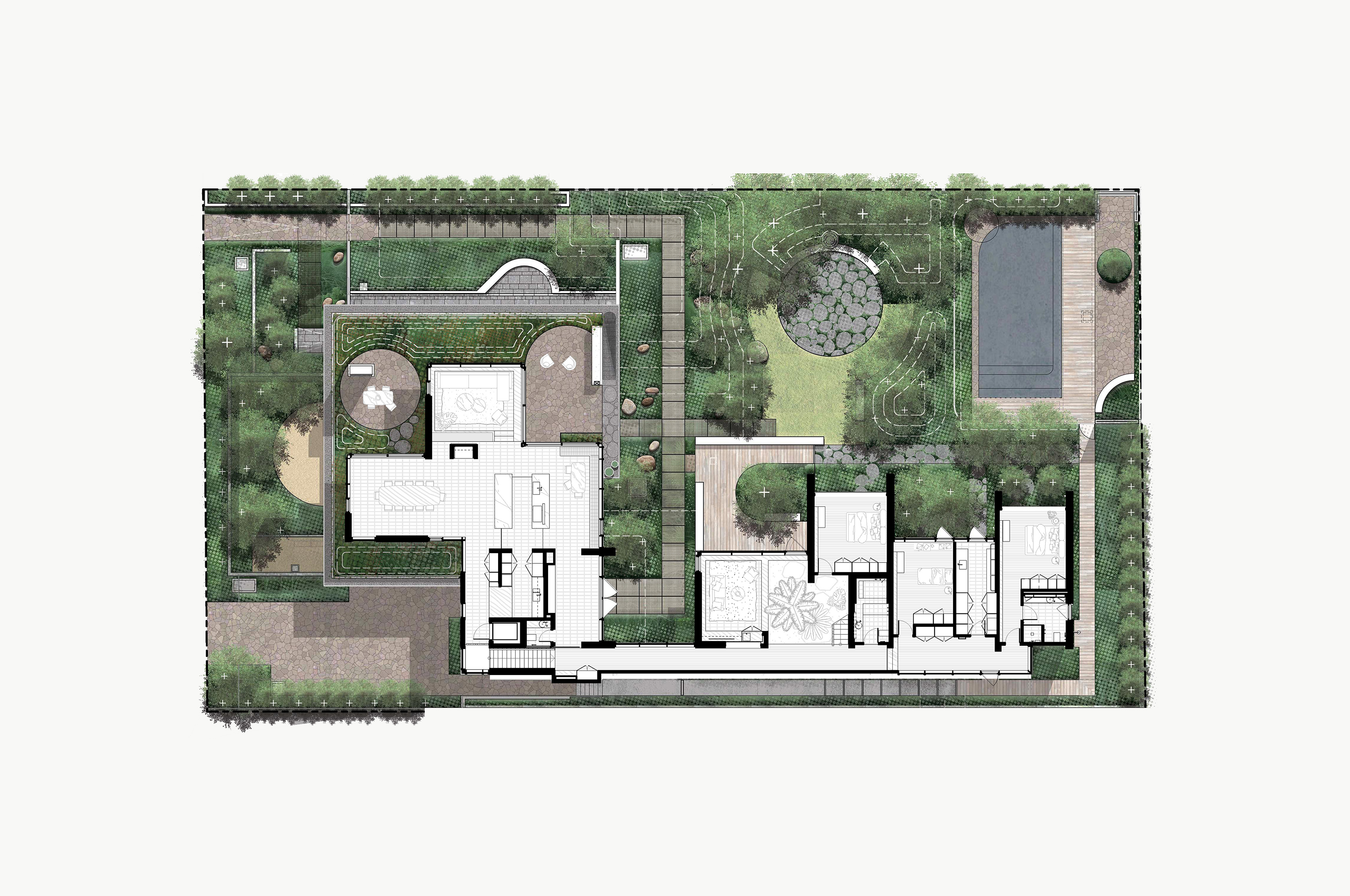
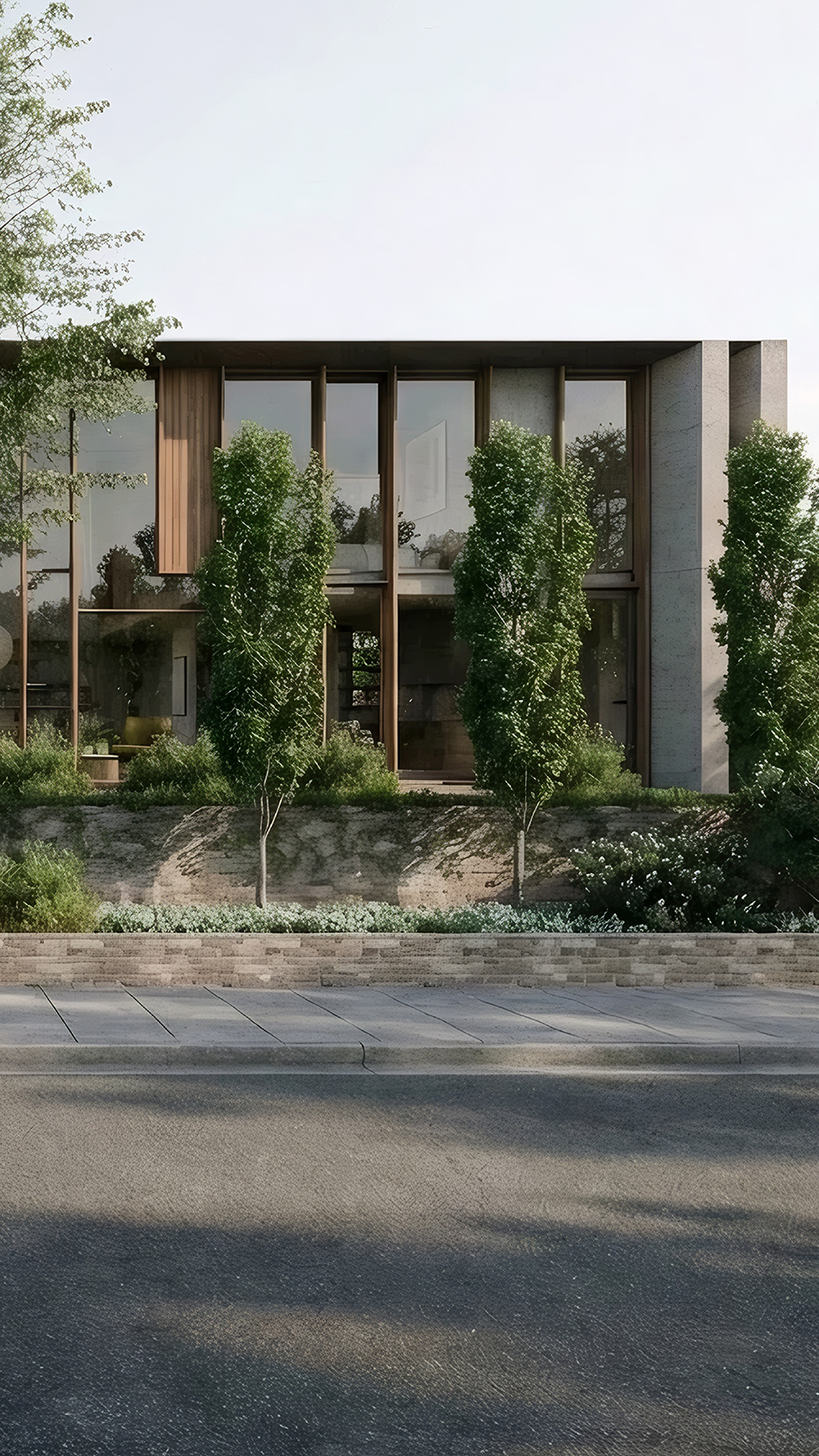
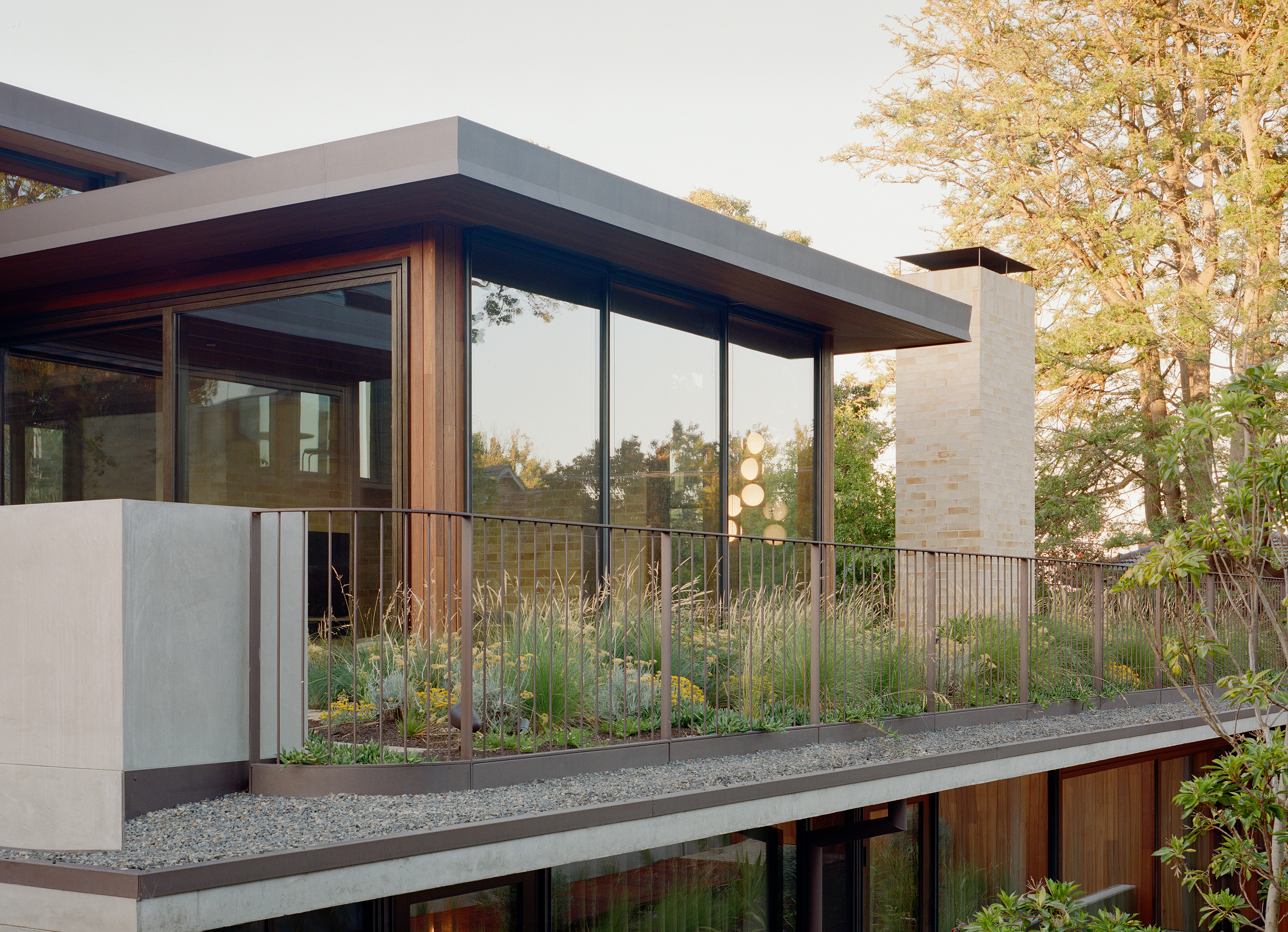
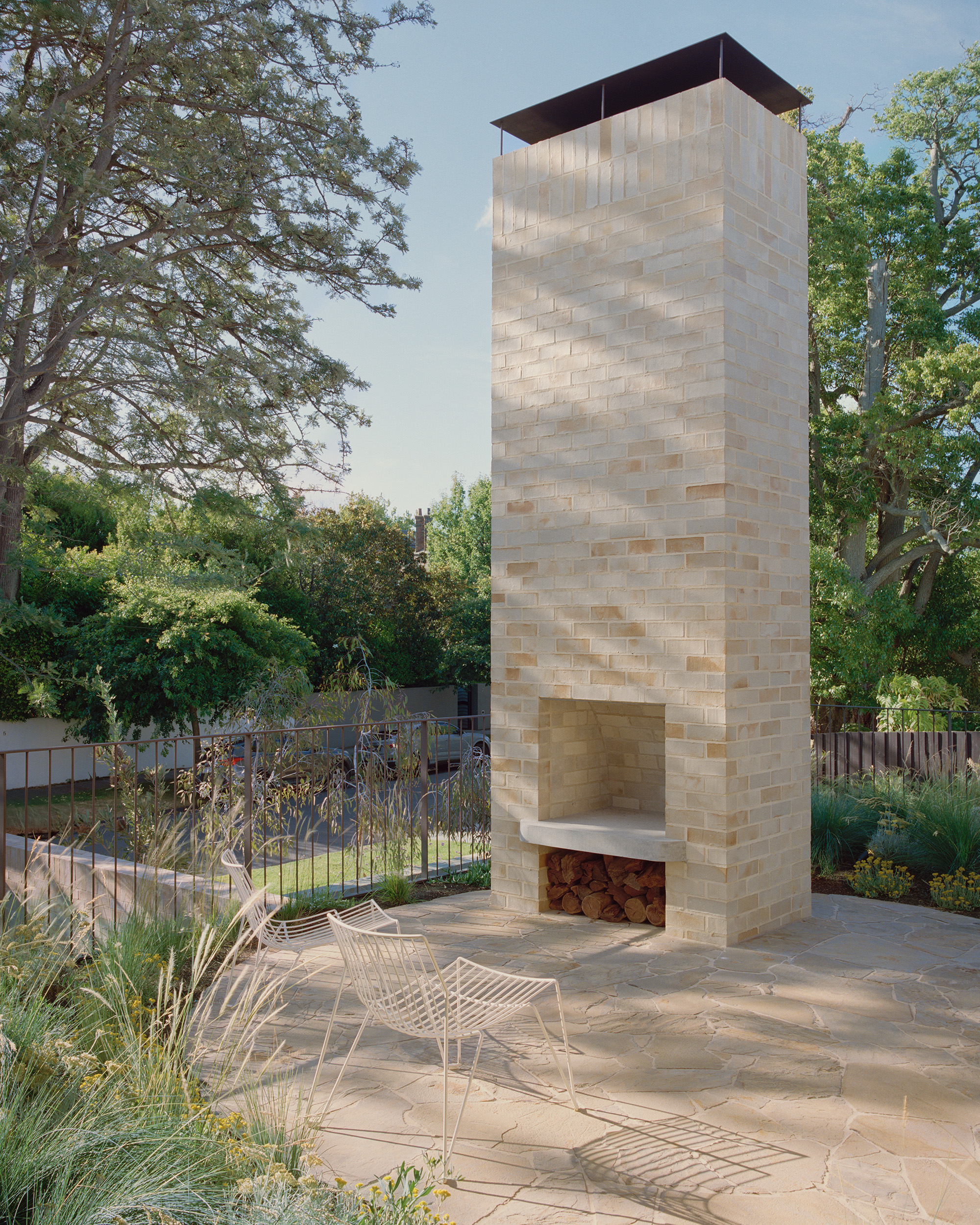
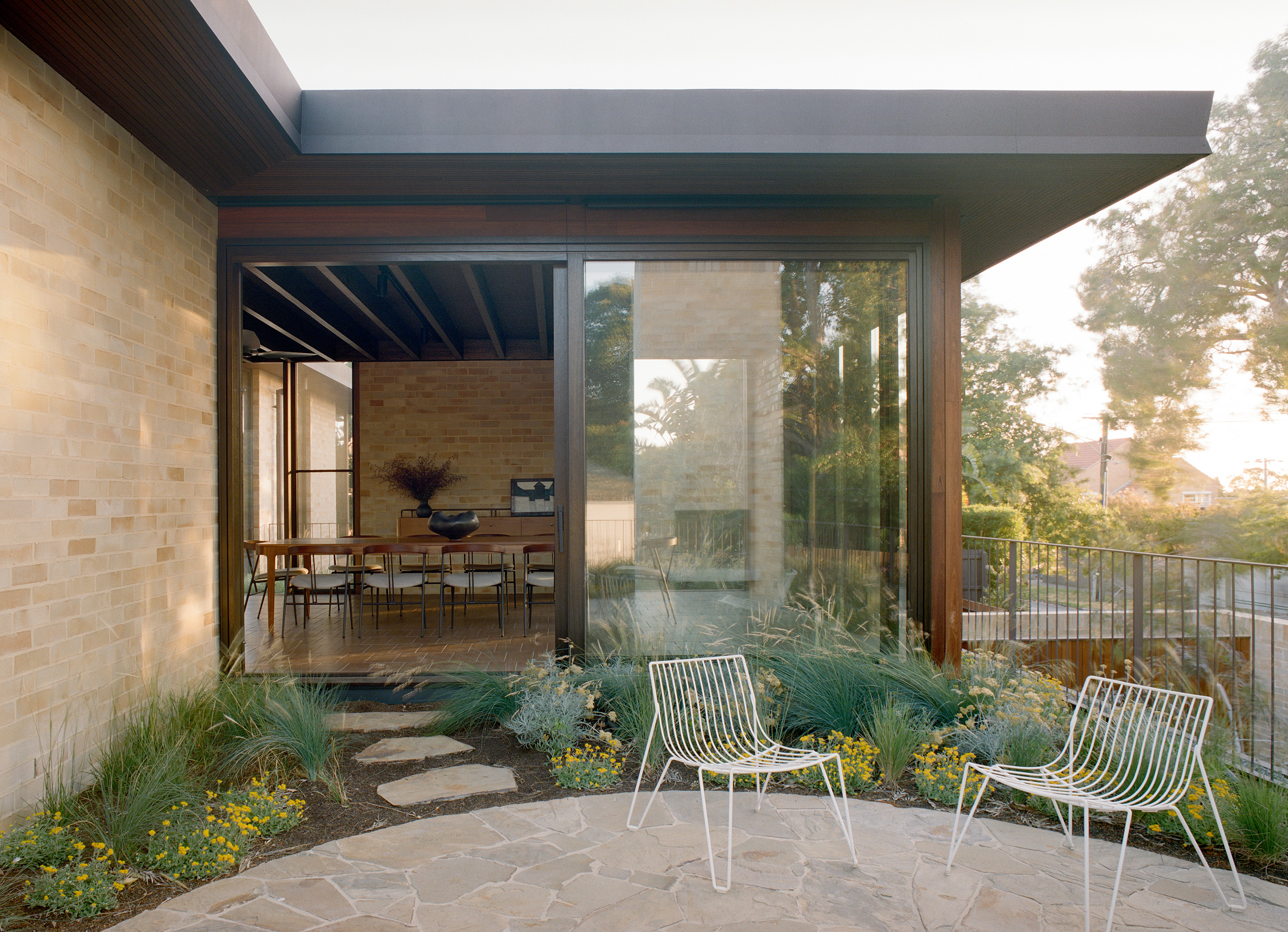
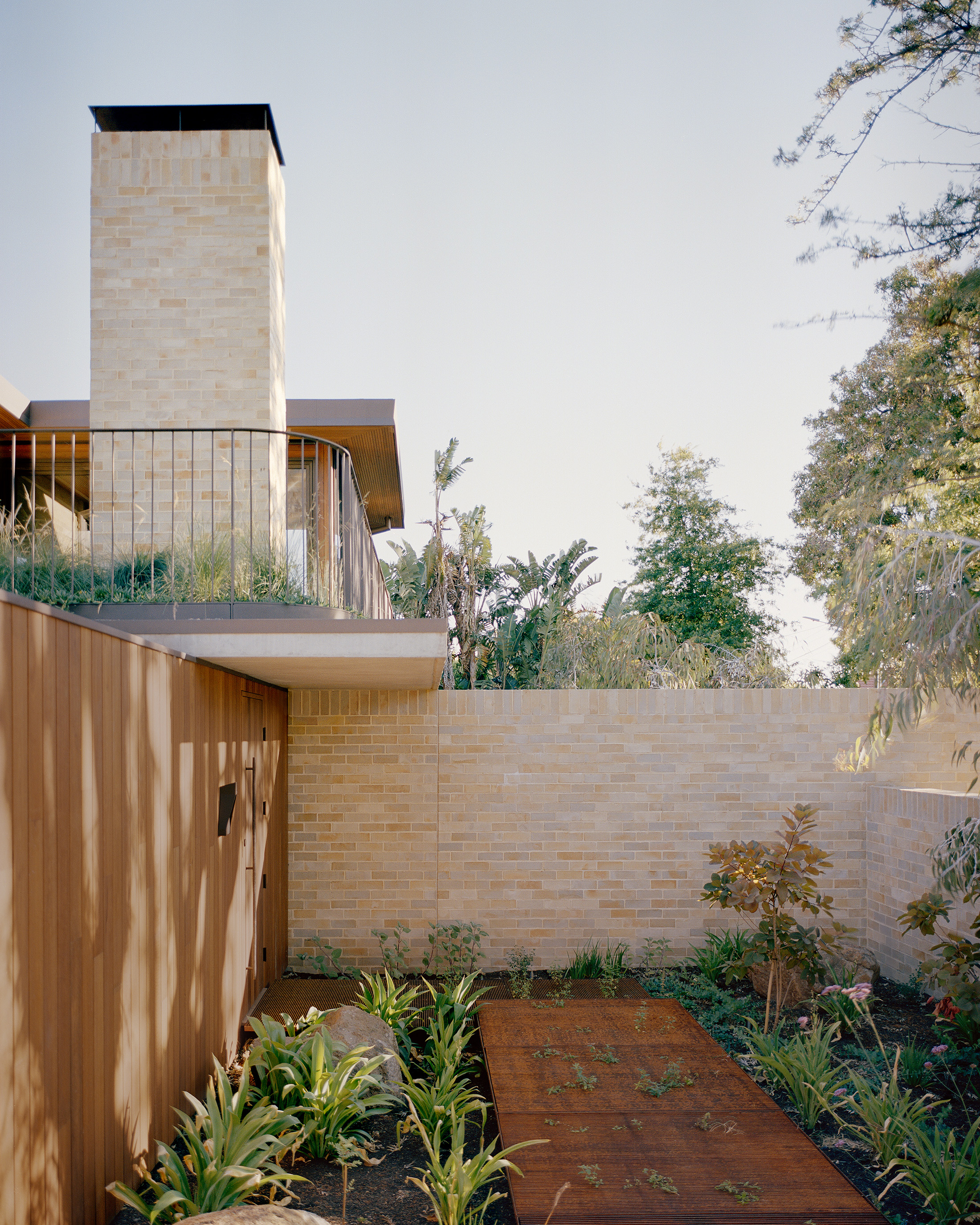
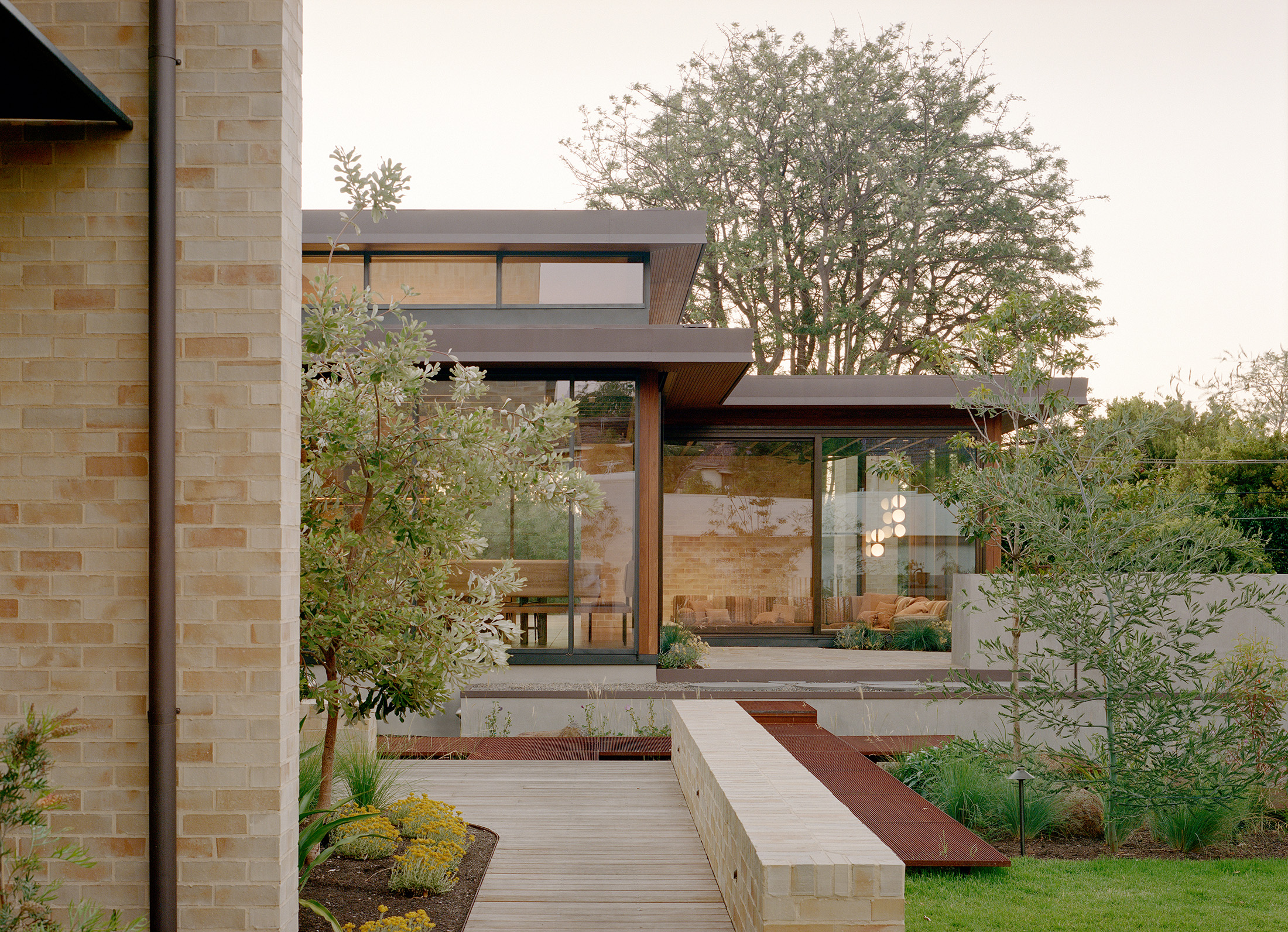
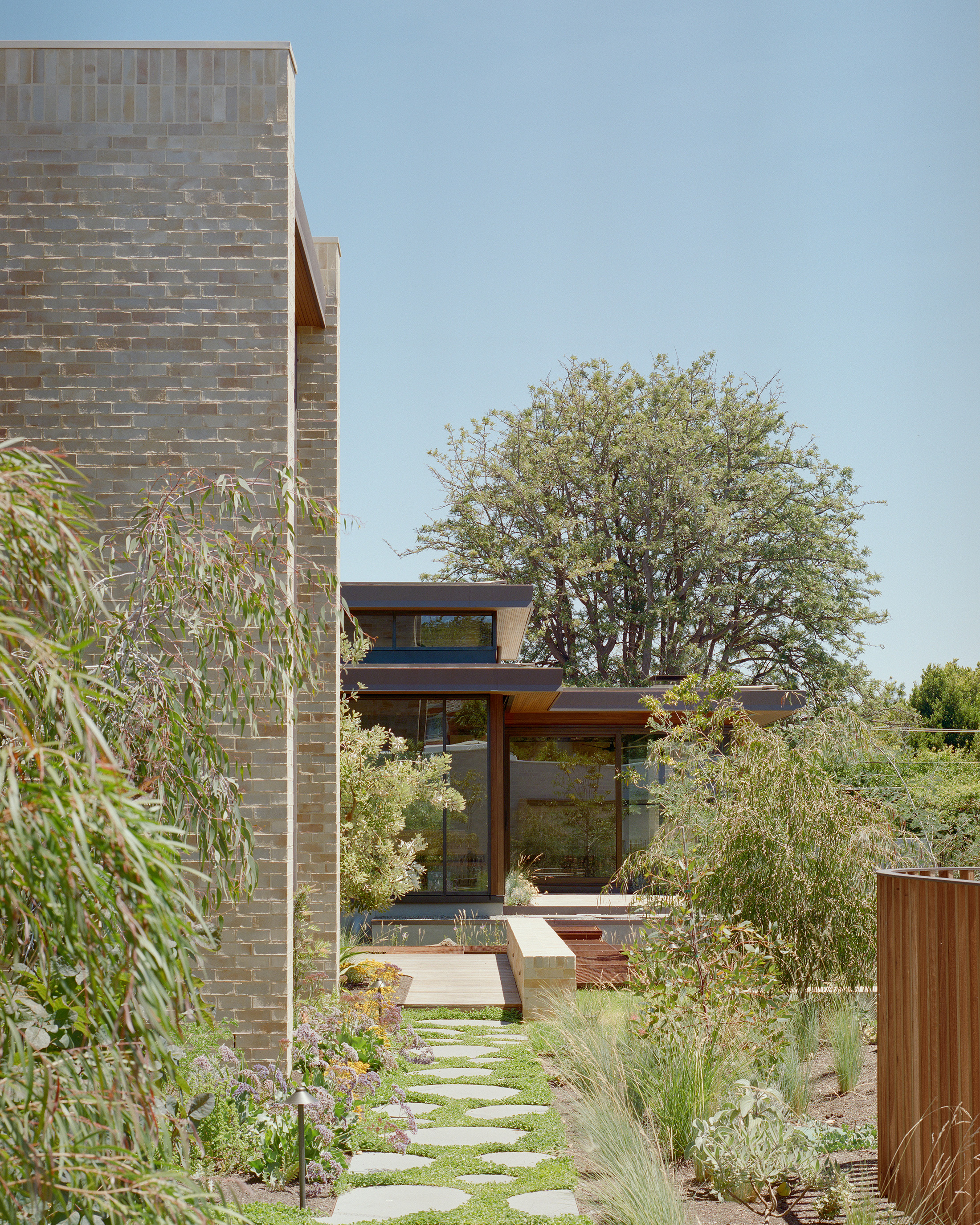
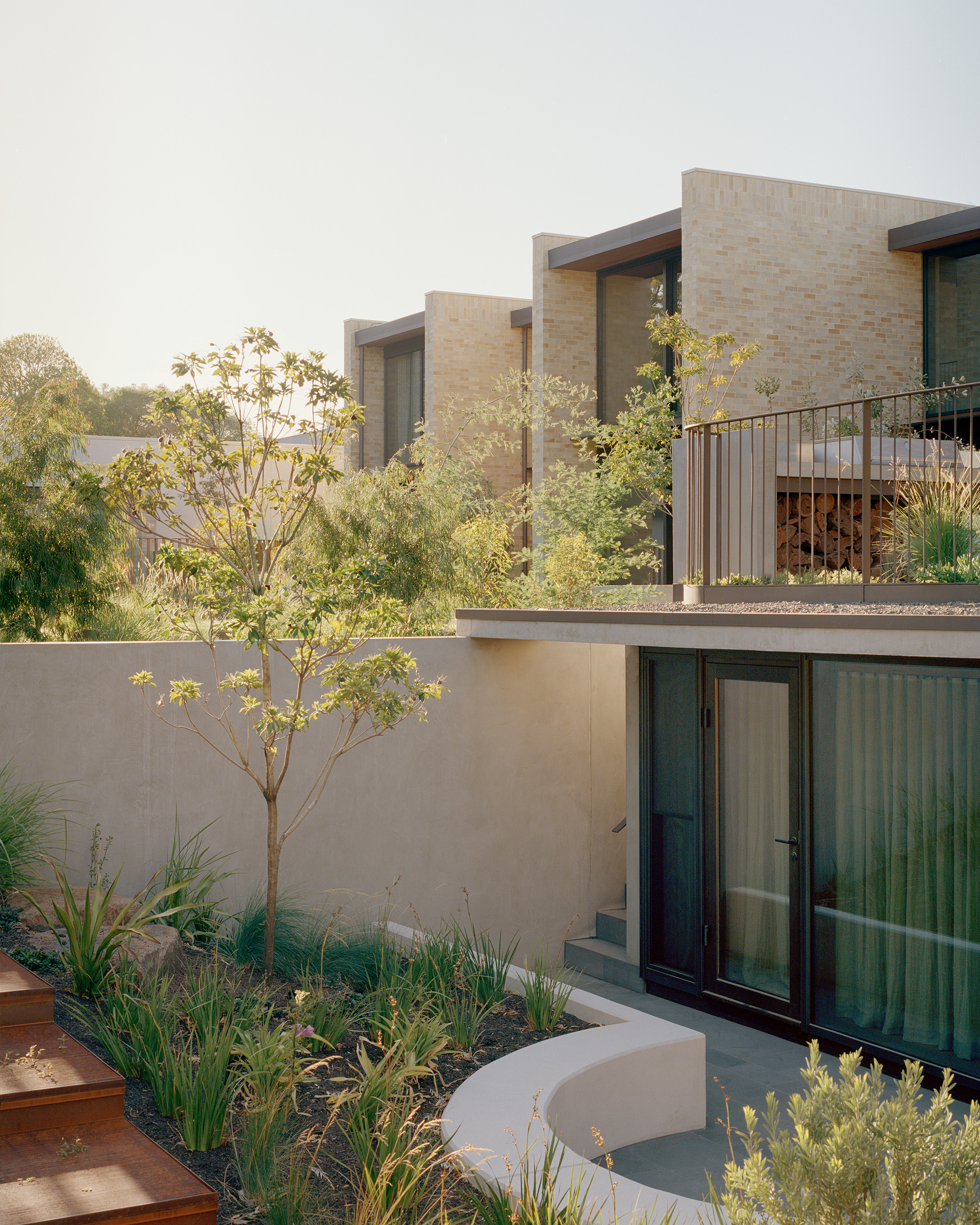
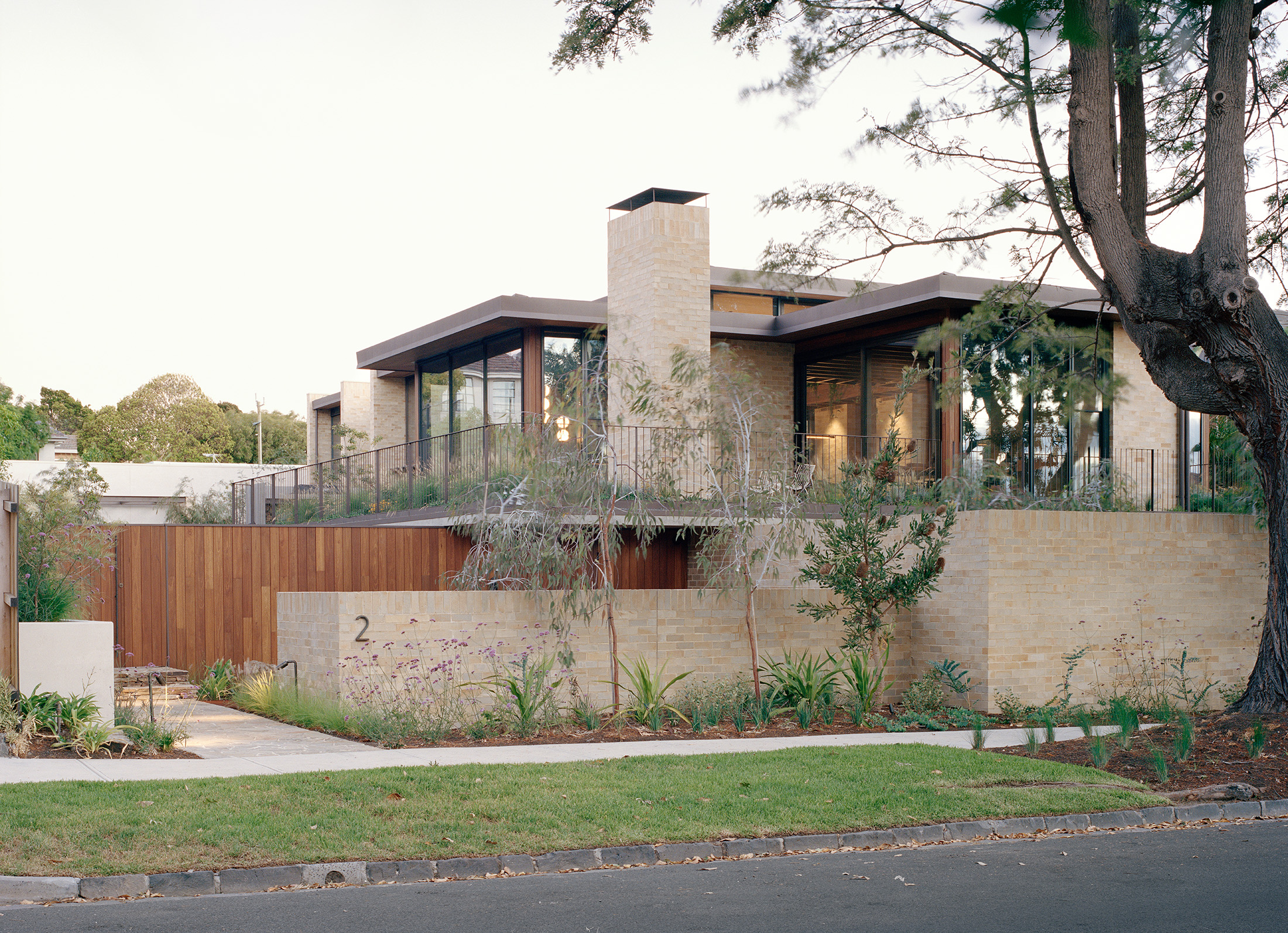
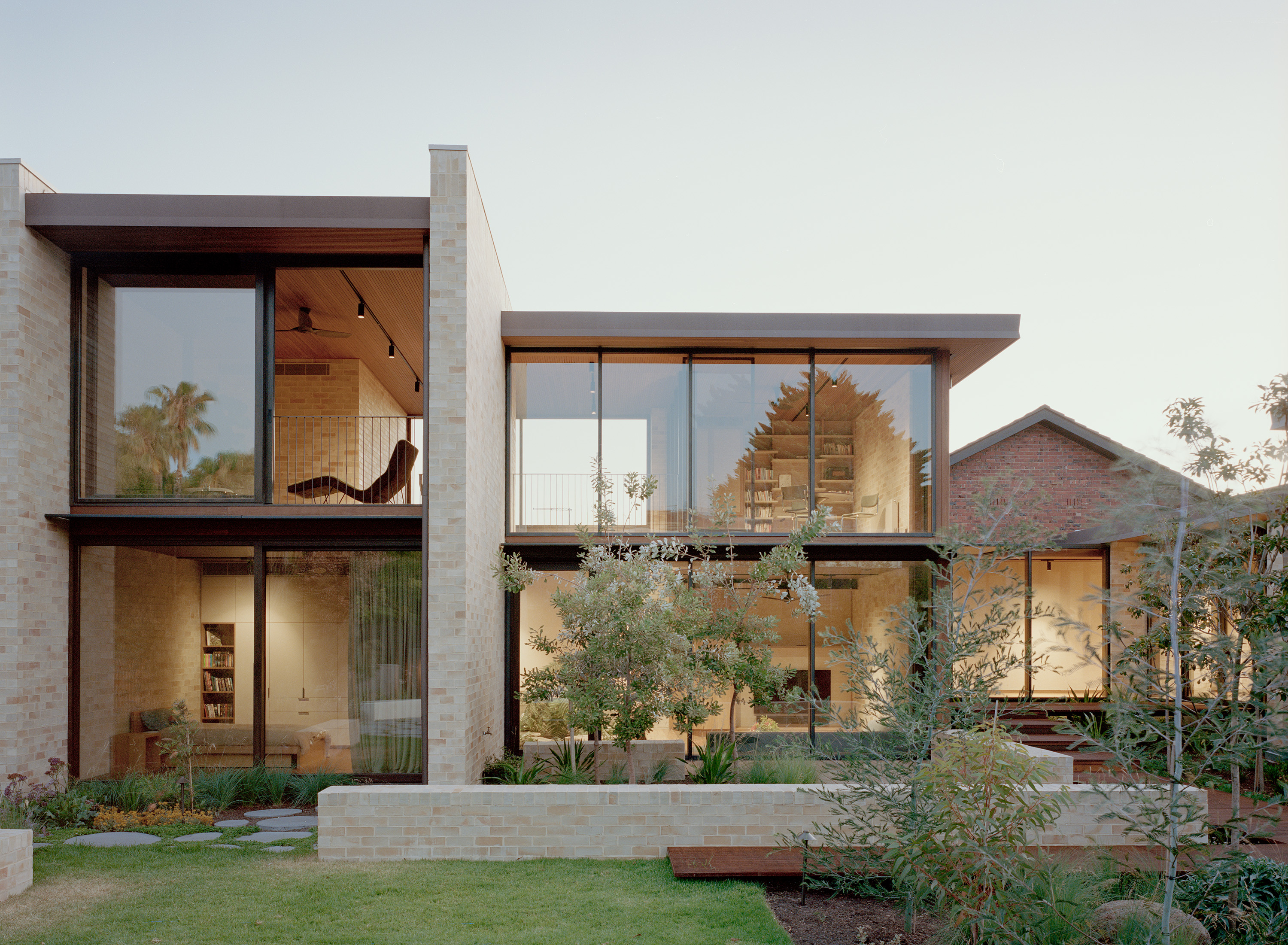
In a neighbourhood characterised by defensive street edges and tall boundary walls, Ora House proposes a more generous civic position. A low brick fence defines the boundary without creating a barrier, enclosing a street facing garden that actively engages the public realm. Above, an outdoor fireplace and roof garden create a visible social zone, connecting the life of the home with the street and reframing privacy as a condition negotiated through landscape depth rather than hard separation.
Although it is a private residence, the home gives back to the community through this transparency. By sharing its garden and offering a welcoming threshold, the architecture presents a quiet, green alternative to the fortified style of neighbouring homes. It demonstrates that domestic architecture can contribute to the public realm without sacrificing the security or intimacy of the family inside.
The entry sequence is designed as a sensory narrative mimicking a bush walk. Entering through a substantial timber gate, guests traverse an elevated steel walkway where native planting, including mint, grows through open grating. As the mint is crushed underfoot it releases a fresh scent, marking the transition to a private sanctuary. This path winds along the building's edge, immersed in foliage, leading to a central entry point deep at the core of the plan.
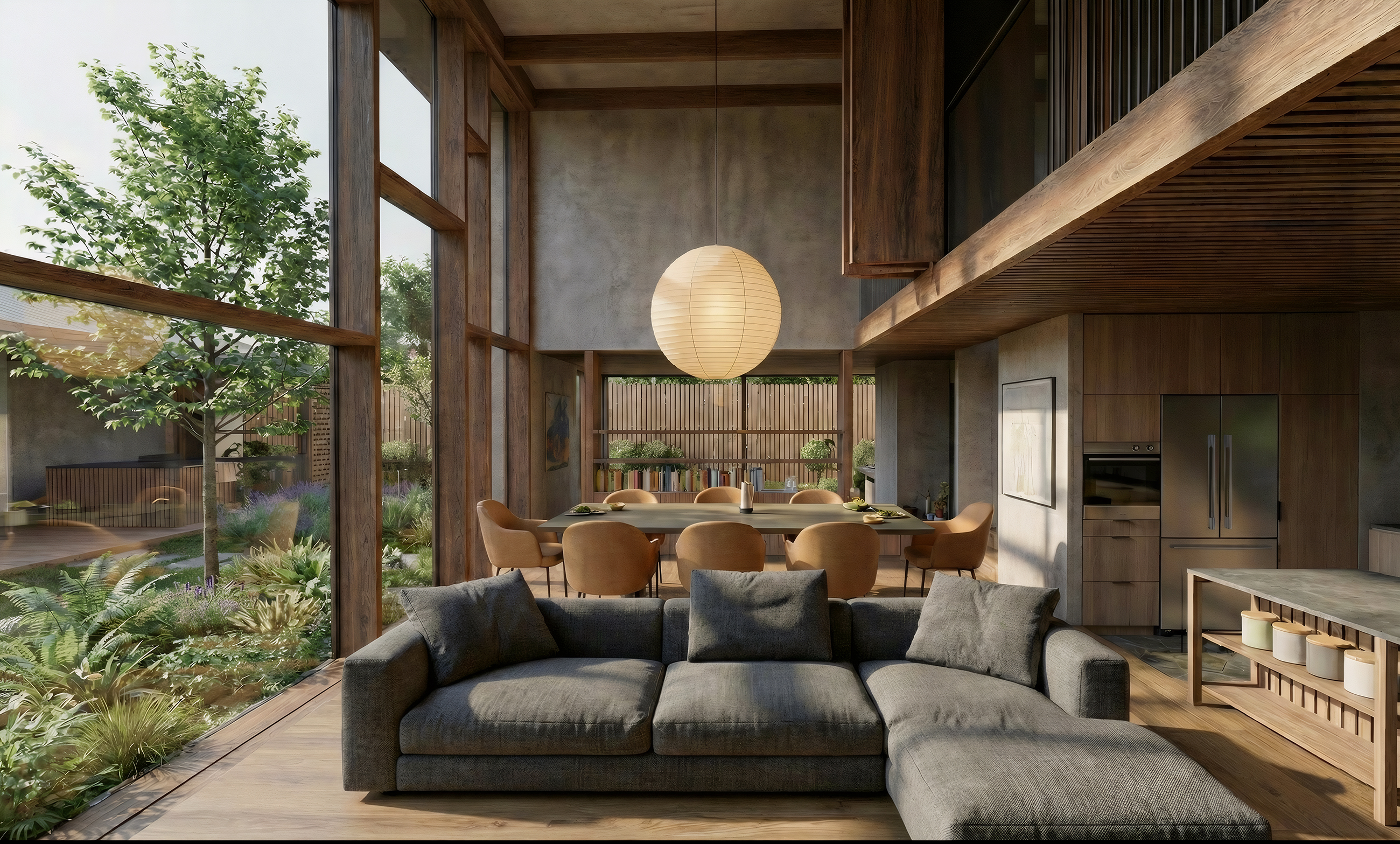
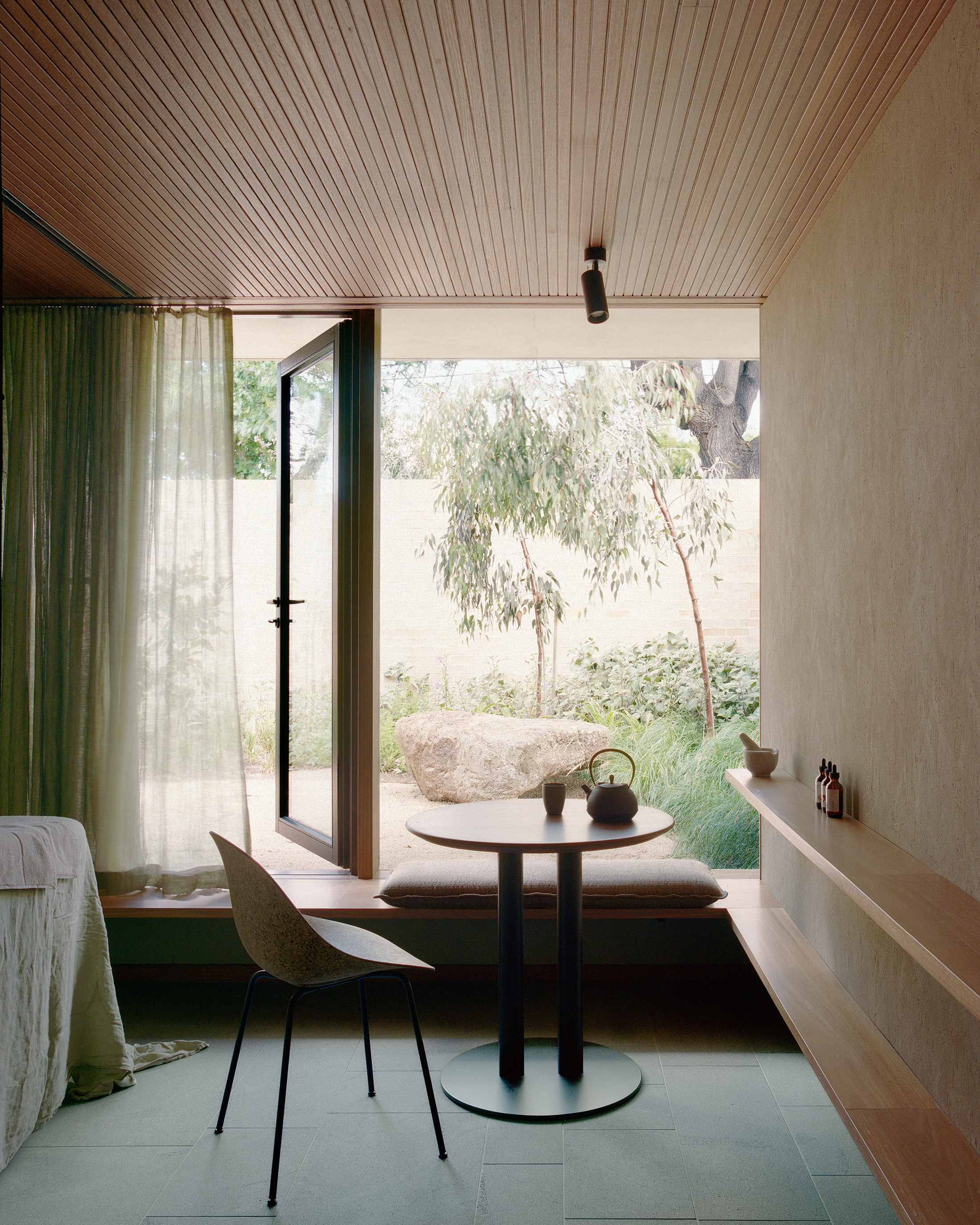
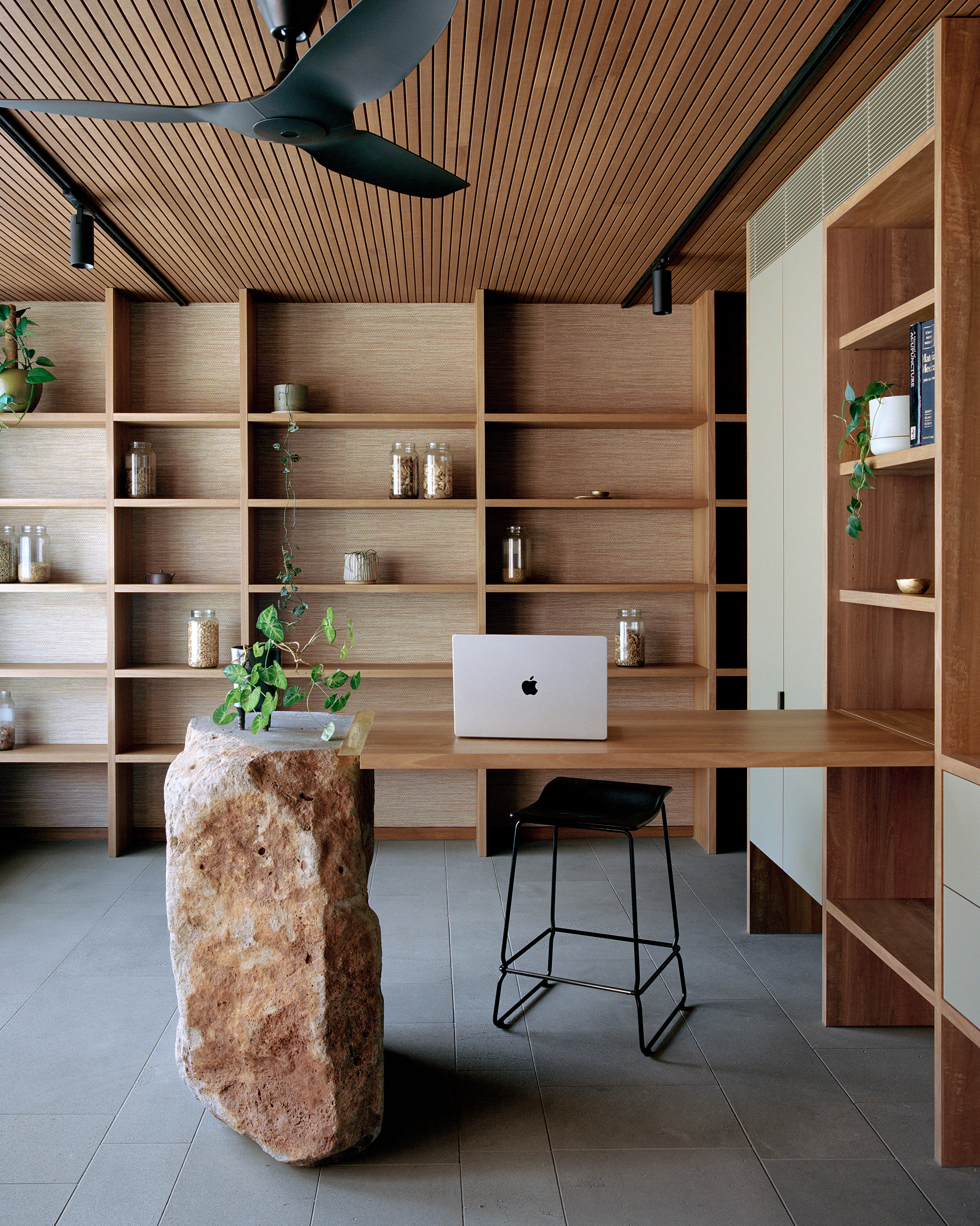
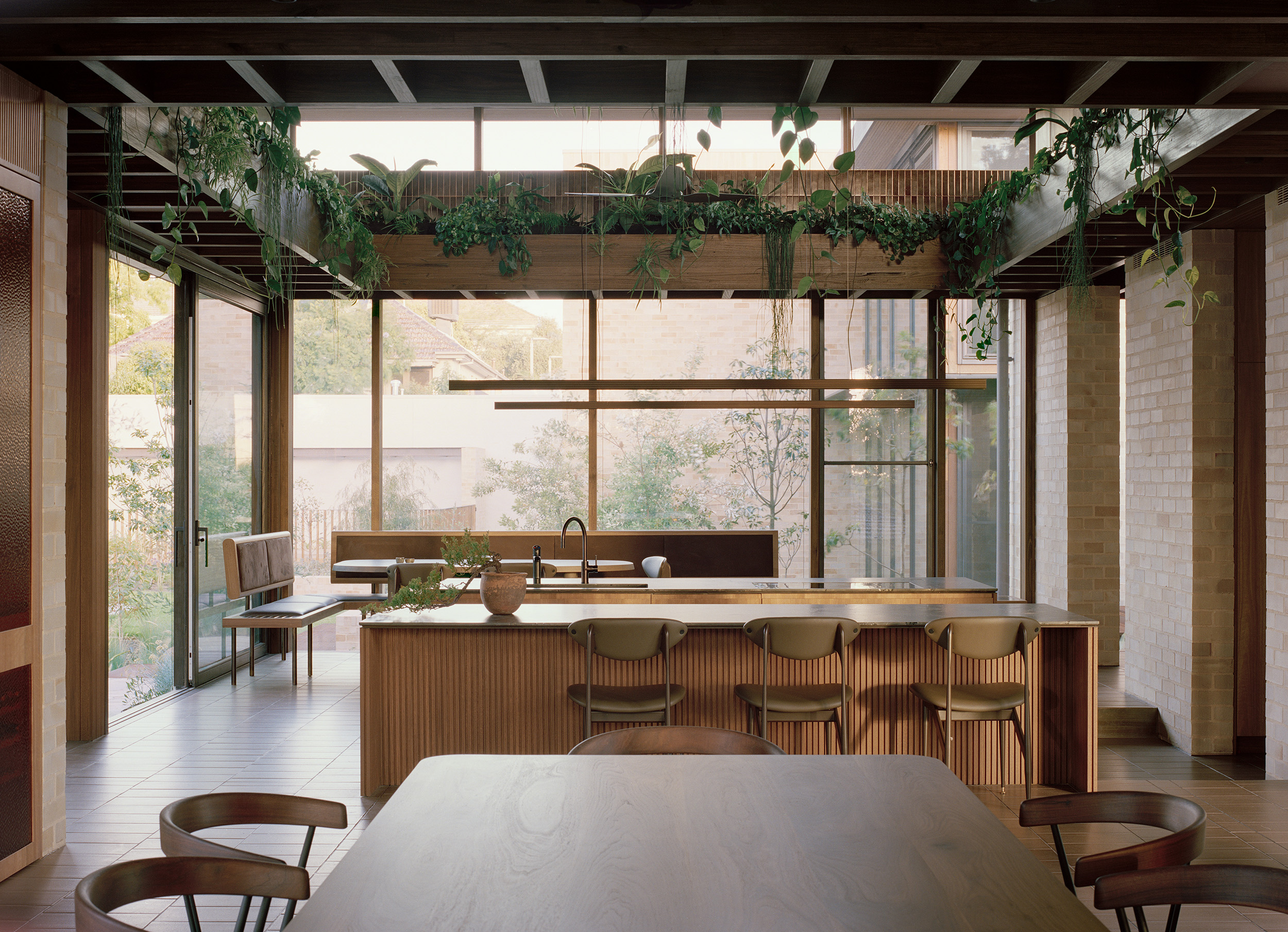
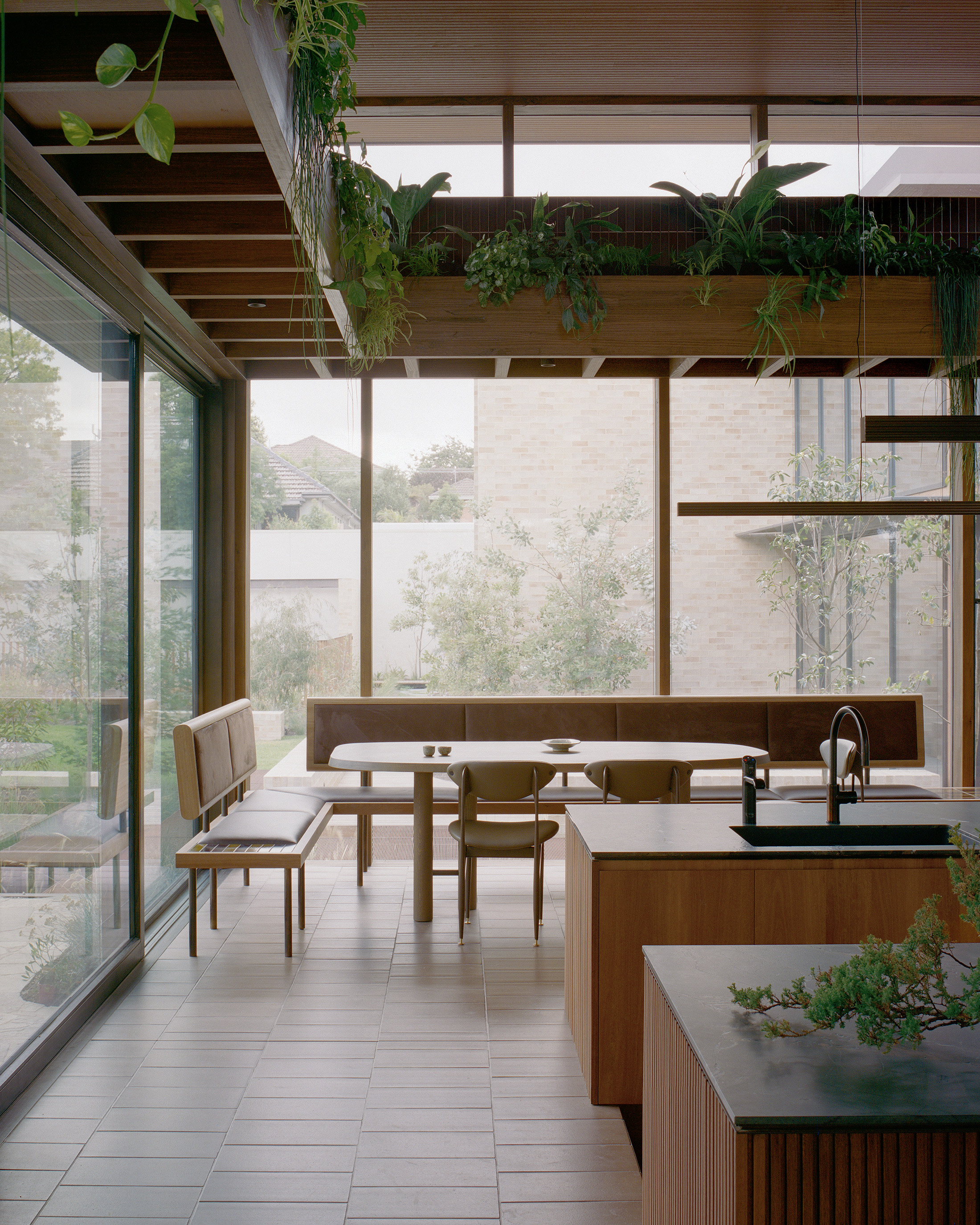
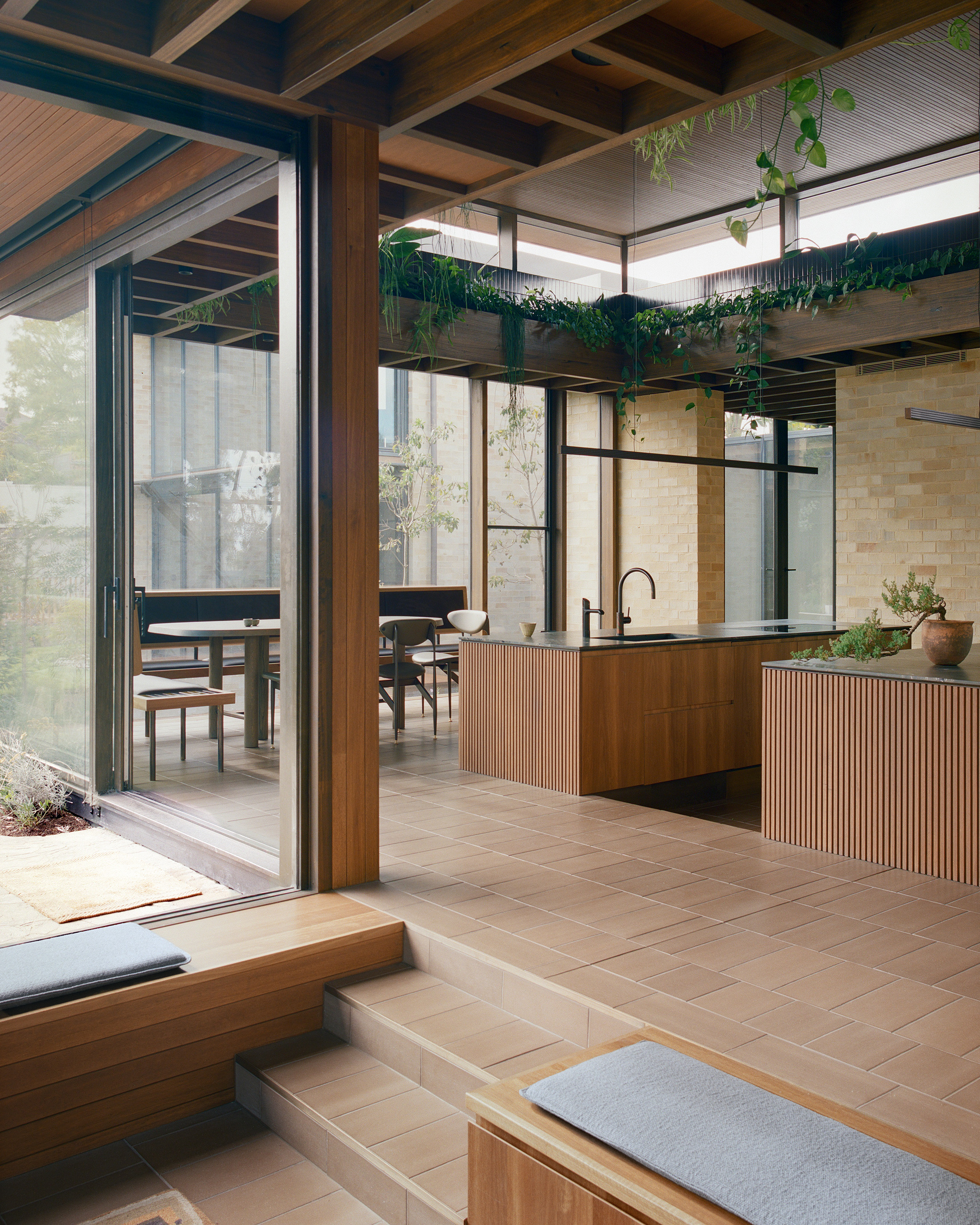
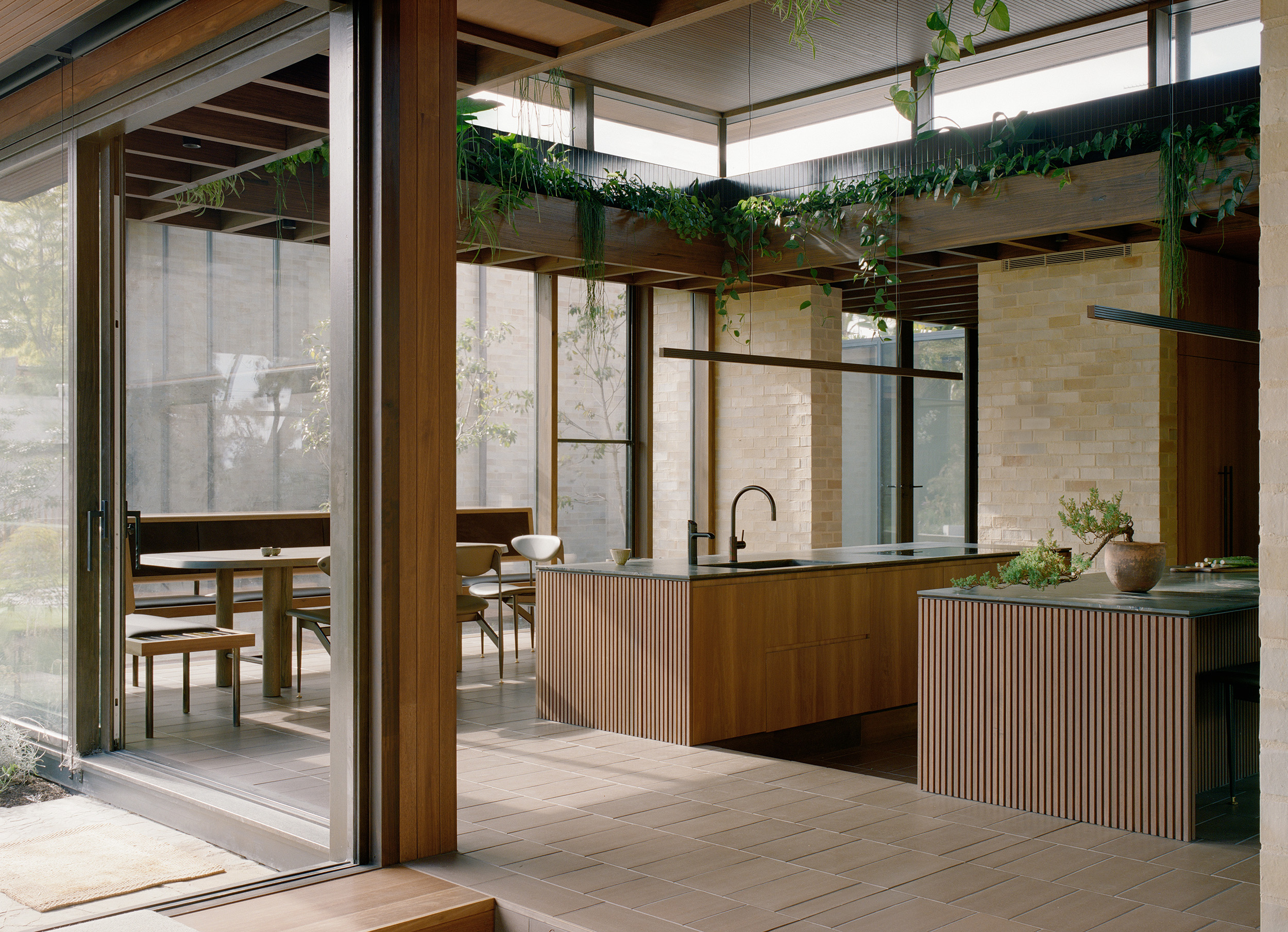
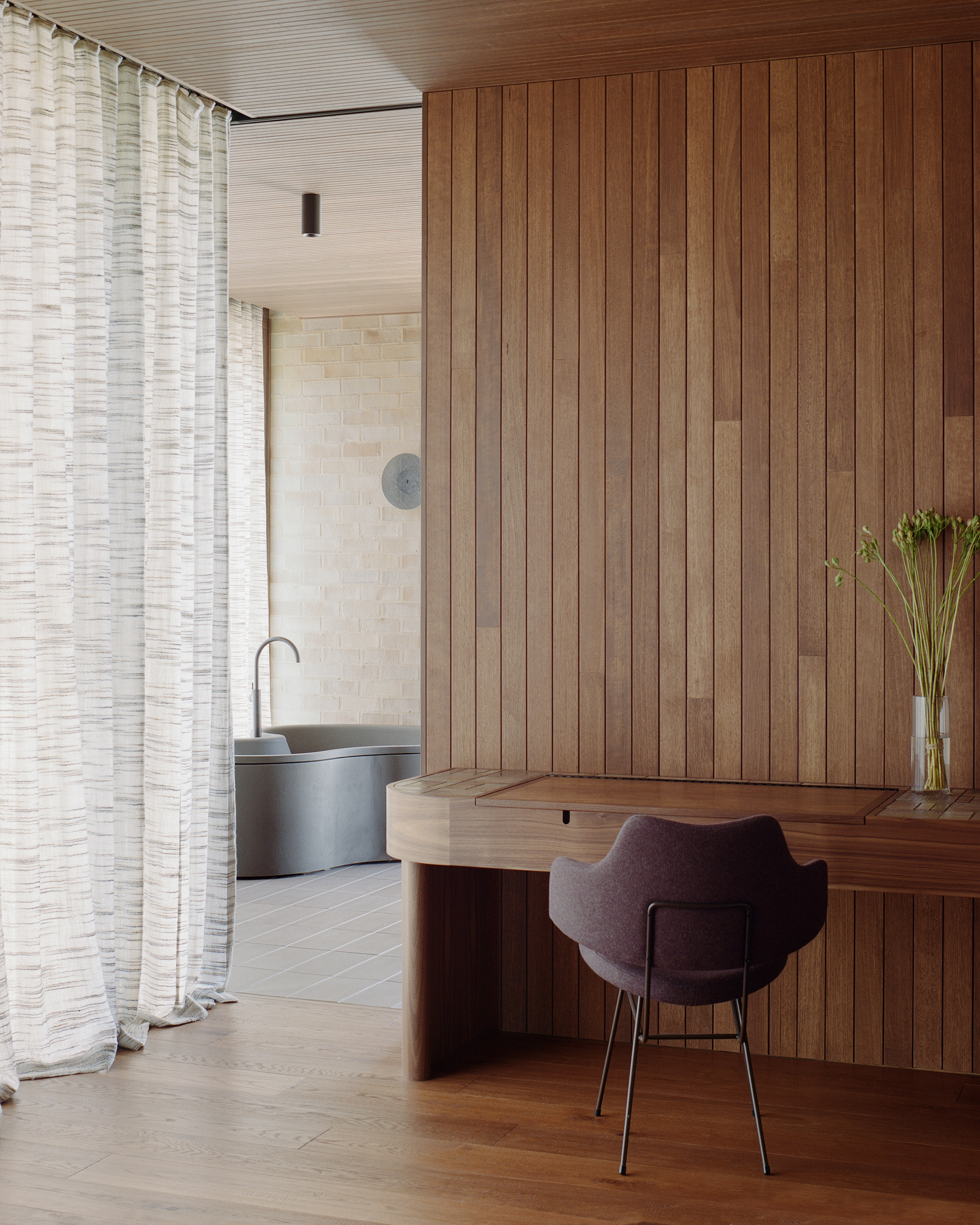
Programmatically, the brief extends beyond the residential to incorporate "Raven's Nest", a Chinese medicine practice housed at the lower ground level. With independent street access and a tactile material palette, the clinic is atmospherically distinct yet spatially integrated. Internally, the home prioritises multi generational adaptability. A lift ensures universal access while the kitchen, anchored by twin island benches beneath a soaring 1.5 storey volume with clerestory windows and hanging garden, operates as the social heart of the residence.
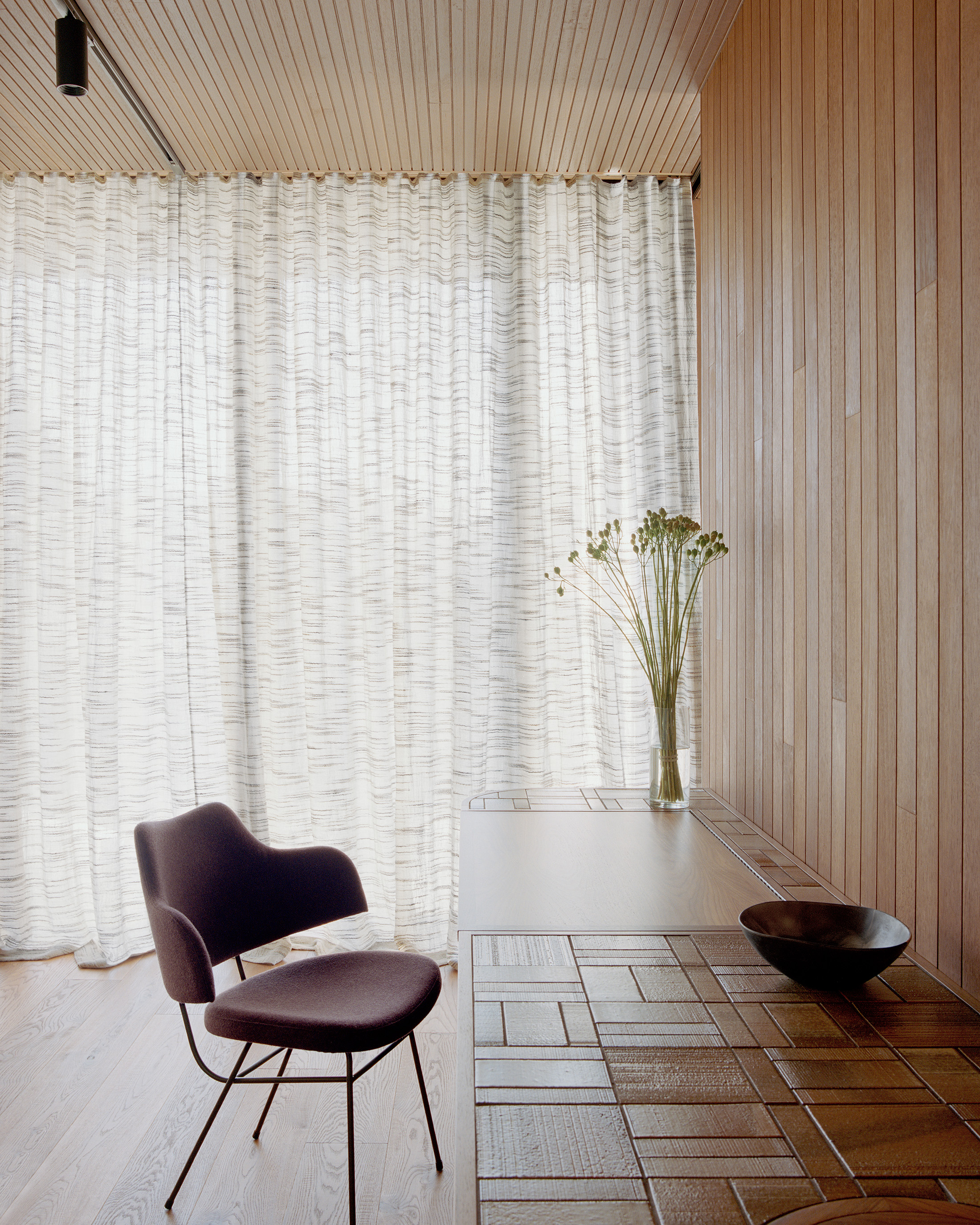
The project is underpinned by rigorous technical detailing. The integration of Passive House principles creates a high performance envelope where thermal bridges have been eliminated, supported by a 50,000 litre underground water tank and solar battery system. Crucially, the project leveraged prefabrication through Archier's sister company, Candour. Structural timber window systems and exposed rafter ceiling panels were manufactured offsite, reducing structural steel, minimising waste and lowering embodied carbon.
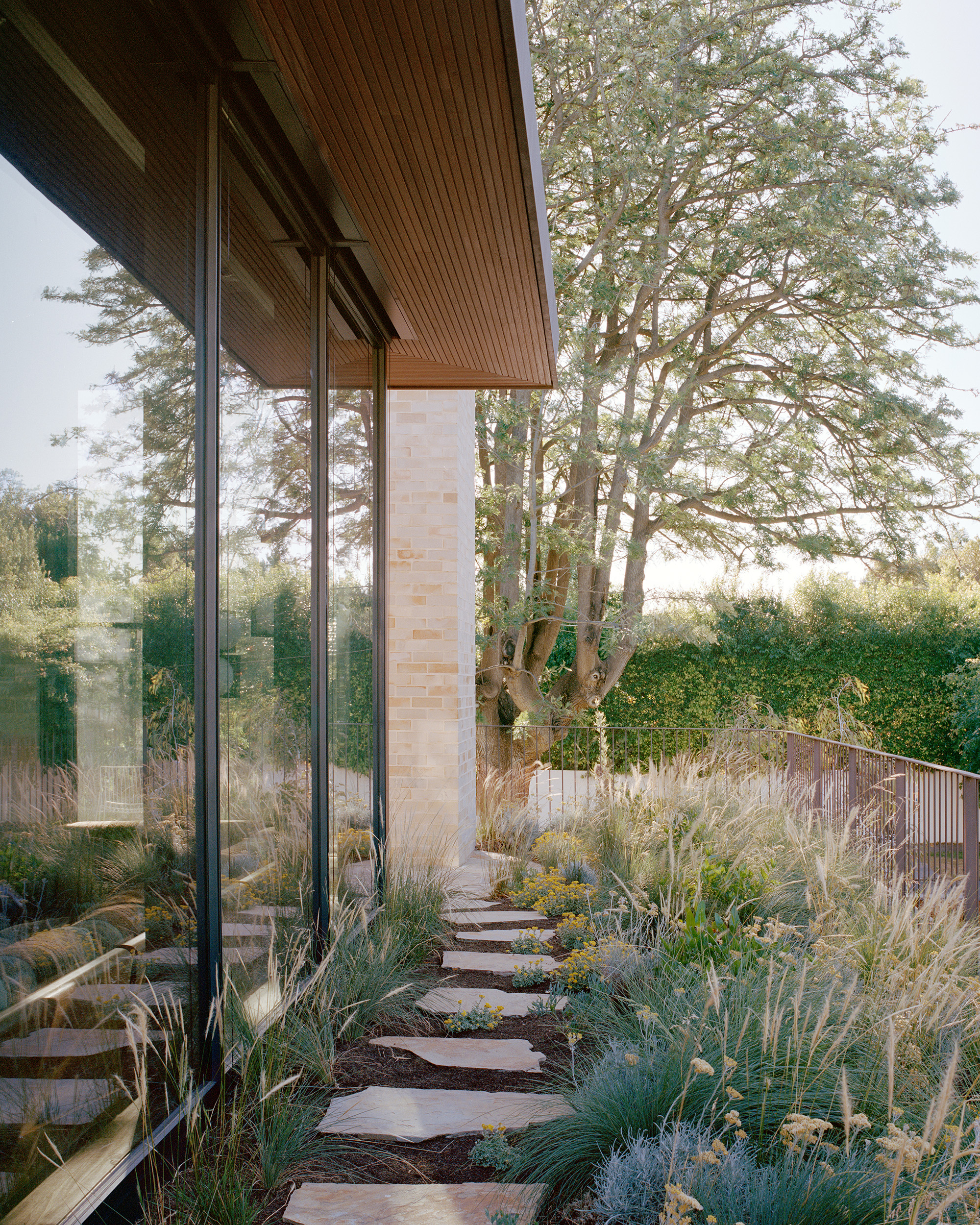
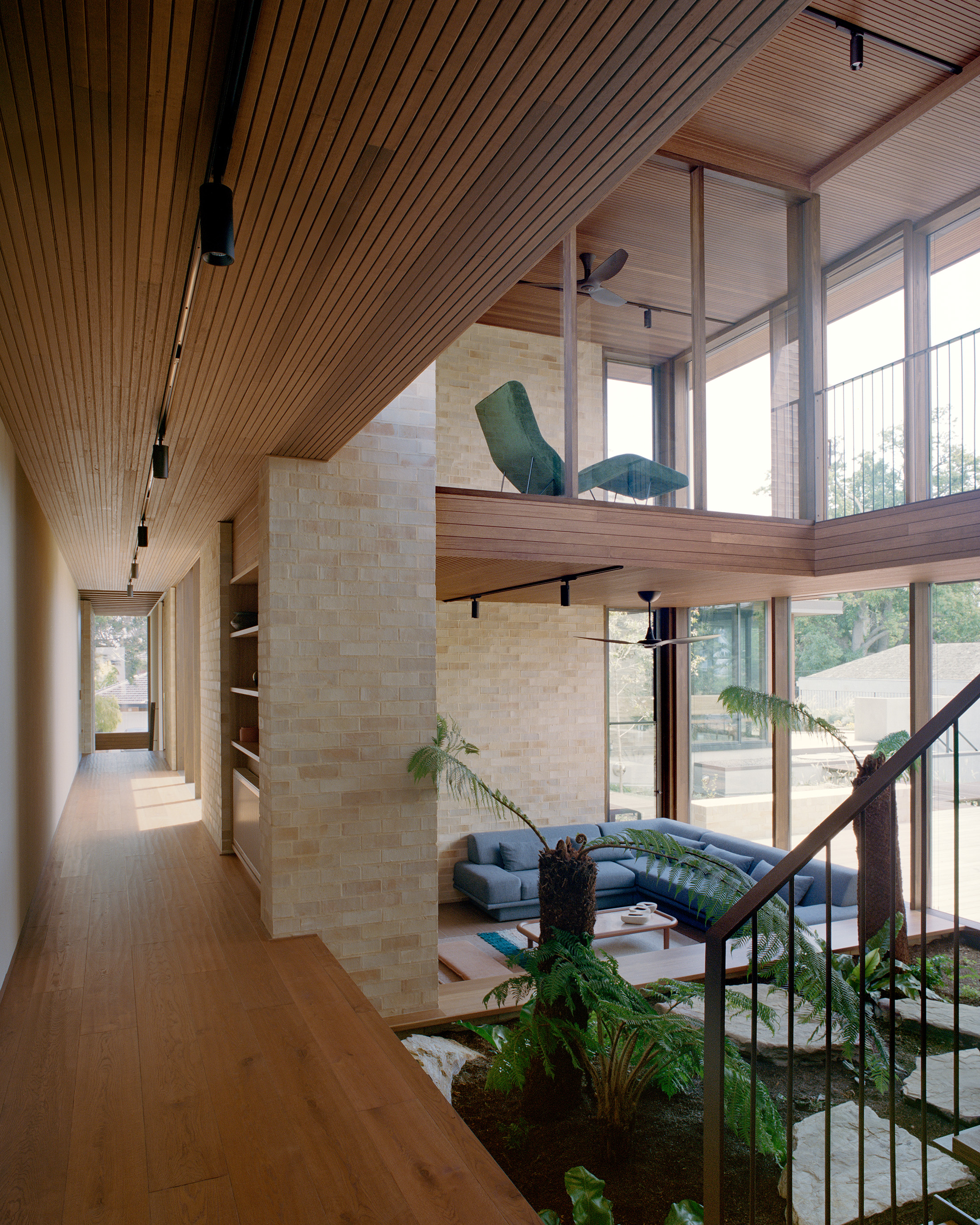
Ultimately, the boundary between inside and outside dissolves. A double height fern garden sits off the rumpus room at the centre of the sleeping quarters, with the staircase to the master bedroom travelling through this internal landscape. This turns daily circulation into perpetual connection with nature. Even utility spaces, such as the garage, look out onto greenery.
Ora House is a synthesis of architecture and landscape, designed not to stand out, but to settle in as the garden grows around it.
Ora House
Model